Infrastructure Above the Clouds
Enterprise-grade cloud compute and storage hosted on stratospheric platforms. Isolated from terrestrial threats, powered by the sun.

Terrestrial Risk is the New Bottleneck
Traditional data centers are vulnerable to physical security breaches, natural disasters, and local infrastructure failures.
Physical Vulnerability
Land-based facilities are susceptible to intrusion, sabotage, and geopolitical instability.
Environmental Impact
Terrestrial cooling and power consumption continue to scale unsustainably.
Weather Disruptions
Flood, fire, and storm events are increasing in frequency, threatening 99.999% uptime goals.
The Stratospheric Advantage
Sky Cloud relocates your most critical workloads to the stratosphere—20km above sea level. This altitude provides a natural "air gap" from terrestrial threats and optimal solar exposure.
100% Green Energy
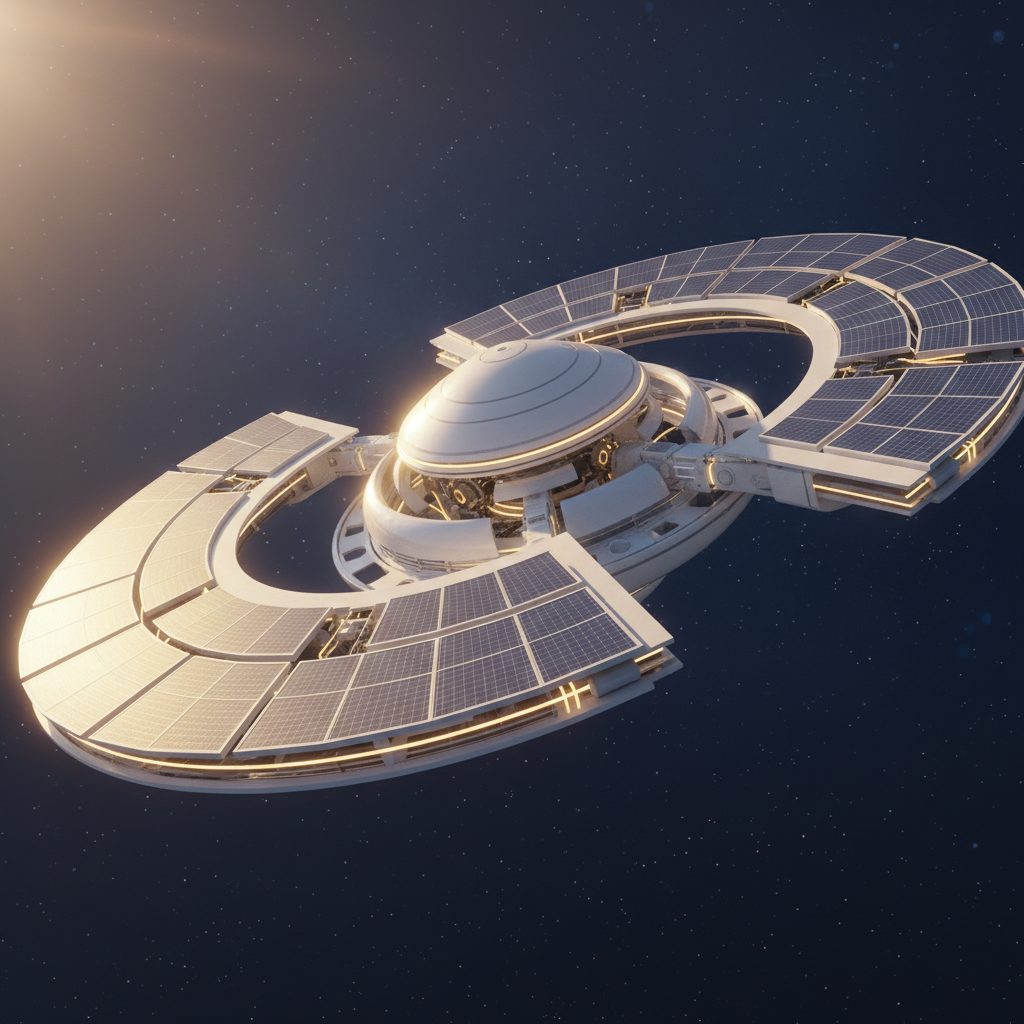
Each Sky Cloud node is a self-sustaining unit powered by high-efficiency solar arrays. No reliance on the grid, zero carbon footprint.
Disaster Resilience
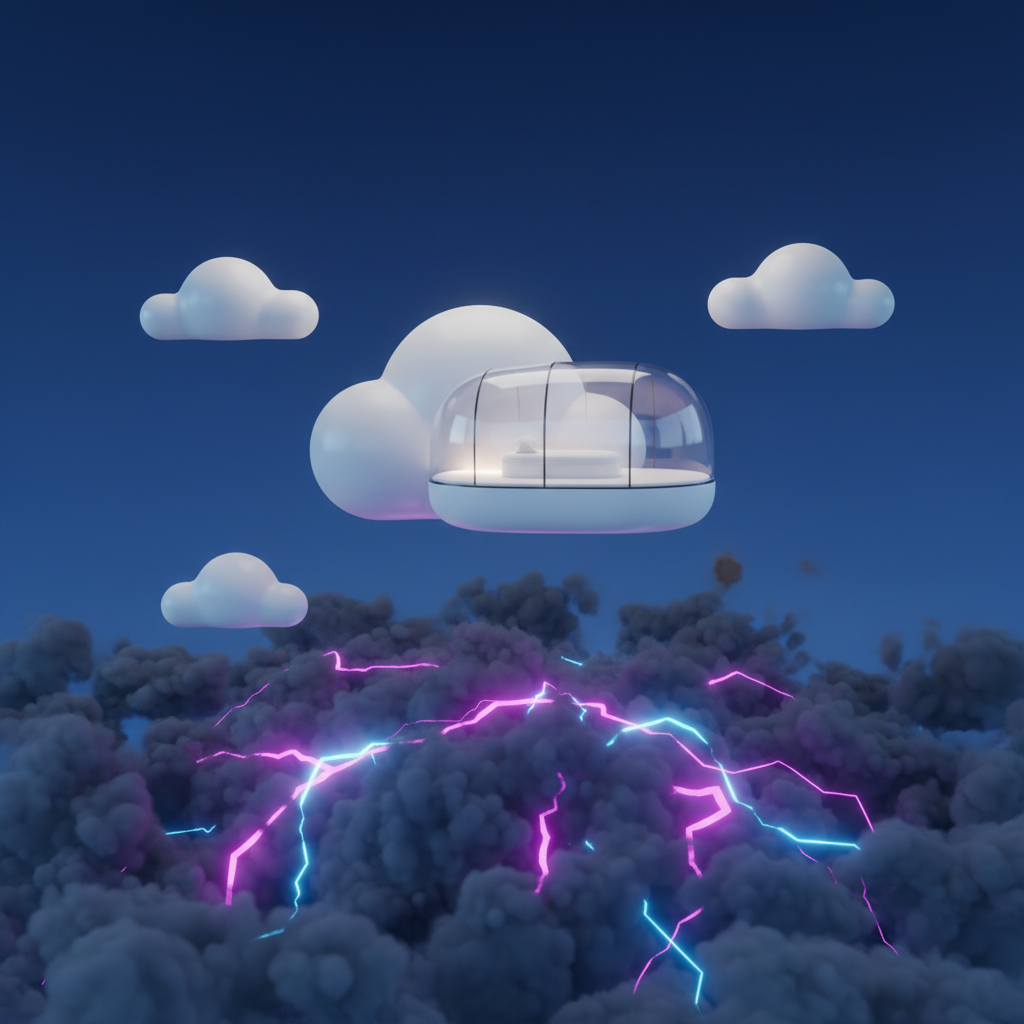
Operating above the weather layer (65,000 ft), our nodes are immune to hurricanes, floods, and most terrestrial natural disasters.
Data Sovereignty
Dynamic positioning allows for precise data residency management. Move your data across jurisdictions by simply adjusting the flight path.
How It Works
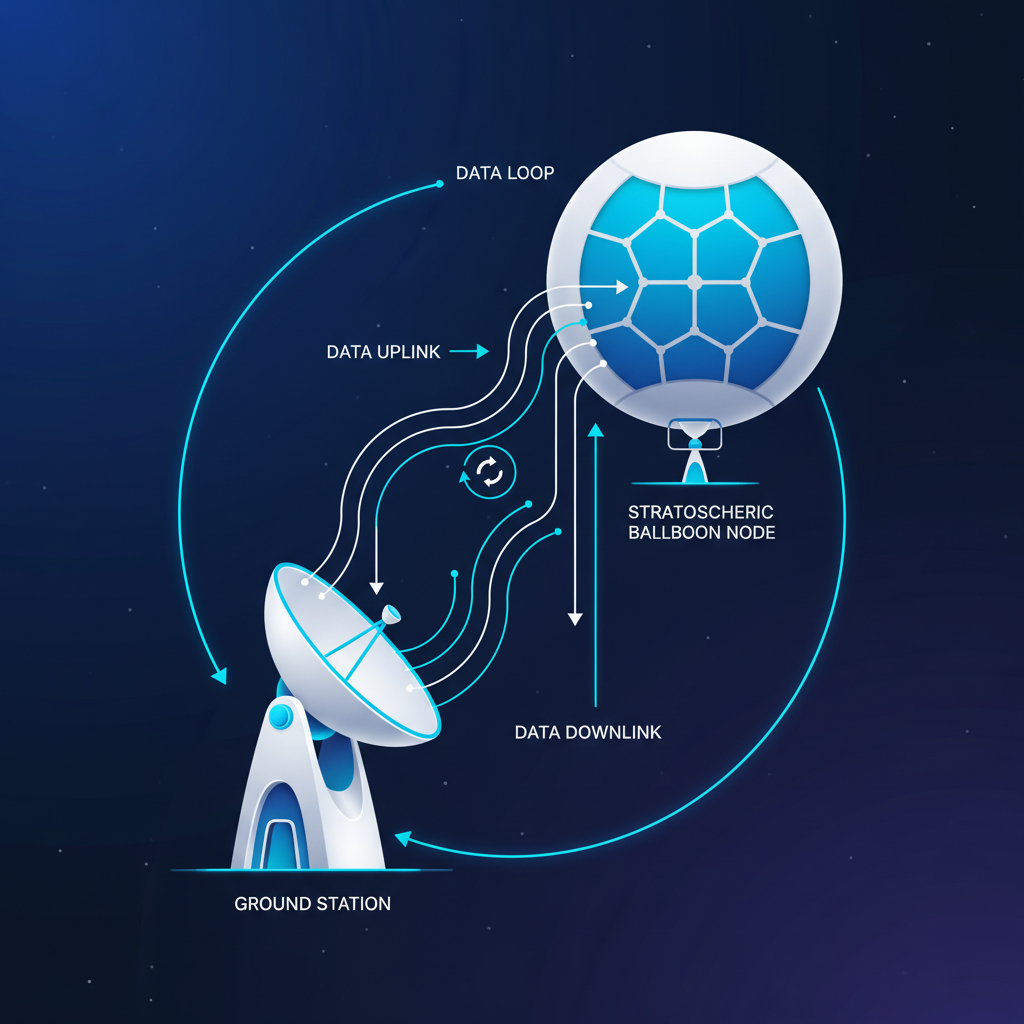
Our proprietary balloon-borne platforms maintain geostationary-like positions in the stratosphere.
Deployment
Autonomous balloons carry server modules to the stratosphere.
Sustainment
Solar panels charge high-capacity batteries for 24/7 operation.
Connectivity
Laser-based mesh networks provide high-speed, low-latency downlinks.
The Path to Launch
Sky Cloud recently closed a significant seed round from leading aerospace and infrastructure investors. We are currently in stealth mode, perfecting our high-altitude server stabilization and thermal management systems.
Frequently Asked Questions
Is the connection stable in bad weather?
Yes. Our nodes operate in the stratosphere, which is well above the troposphere where weather occurs. Atmospheric interference is significantly lower at these altitudes.
How do you handle maintenance?
Nodes are designed for 6-month cycles. We use a "hot-swap" system where a new node is deployed before the old one descends for routine maintenance and battery refurbishment.
What happens if a node fails?
Our fleet operates in a mesh network. If one node loses connectivity, traffic is instantly rerouted to neighboring nodes with zero downtime for the user.
Secure Your Spot
Join the waitlist for early access to the most secure cloud infrastructure ever built. Priority given to high-security enterprises.